 KOBOT ENGINEERING
KOBOT ENGINEERING
KOBOT ENGINEERING
From a rough sketch to a certified, rebuilt machine on the floor, everything happens under one roof in Paarl.
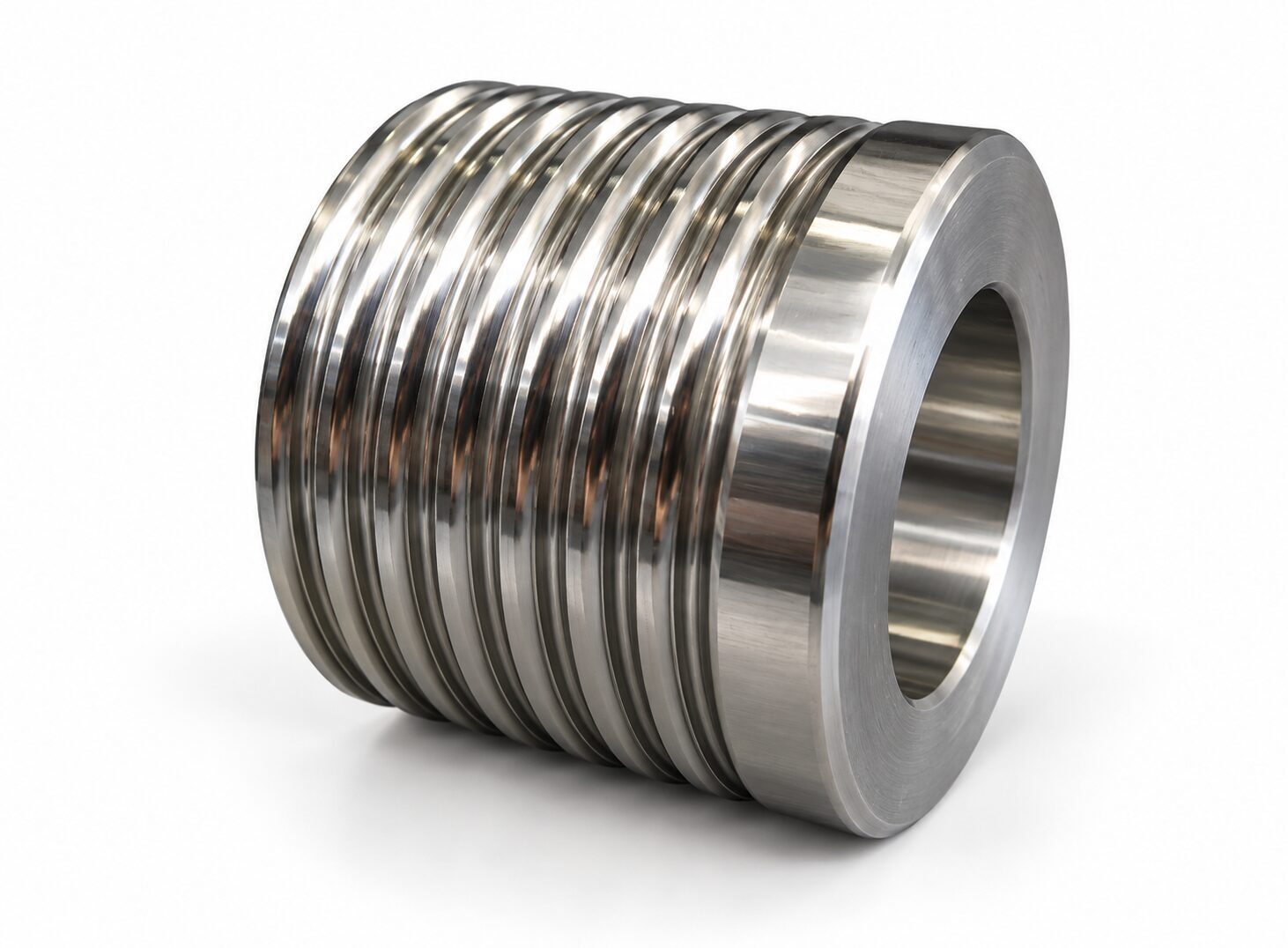
Kobot specialises in manufacturing replacement parts for production machinery, especially in the food industry. Specialty spares are machined as per drawing with minimum tolerances of 0.005mm, because in a seaming head, half a hair's width is the difference between a good seam and a rejected can.
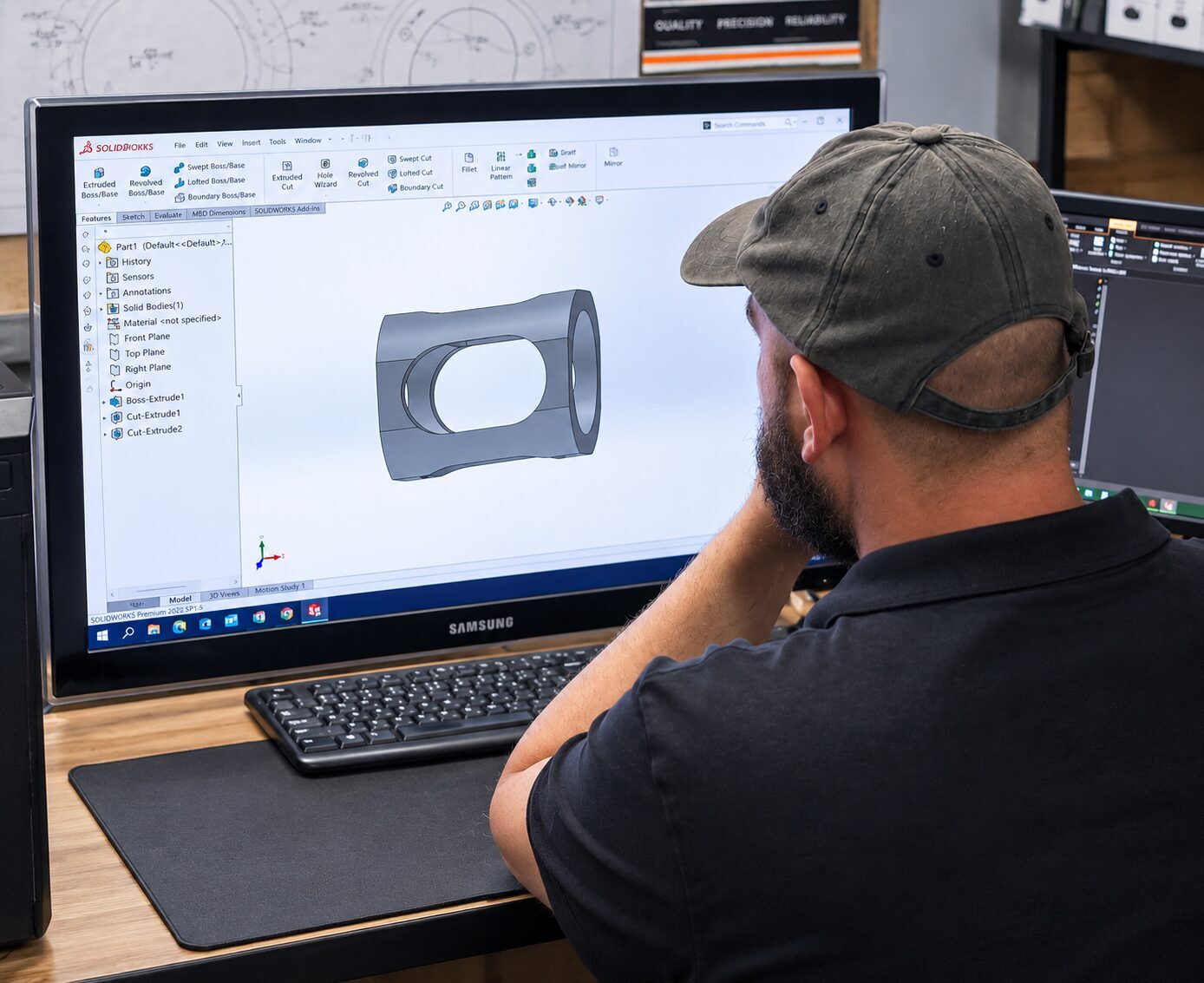
Not every job arrives with a finished drawing. Our team works in SolidWorks to model the part properly: sketch, 3D solid, then a SolidCAM machining process built around the actual geometry, before anything touches a machine. It means fewer surprises on the floor and a part that matches spec first time.
Kobot manufactures seamer parts and tooling for the canning industry to drawing specification, from individual seaming chucks through to full seaming-head assemblies, each stamped with the Kobot mark and traceable back to its drawing.
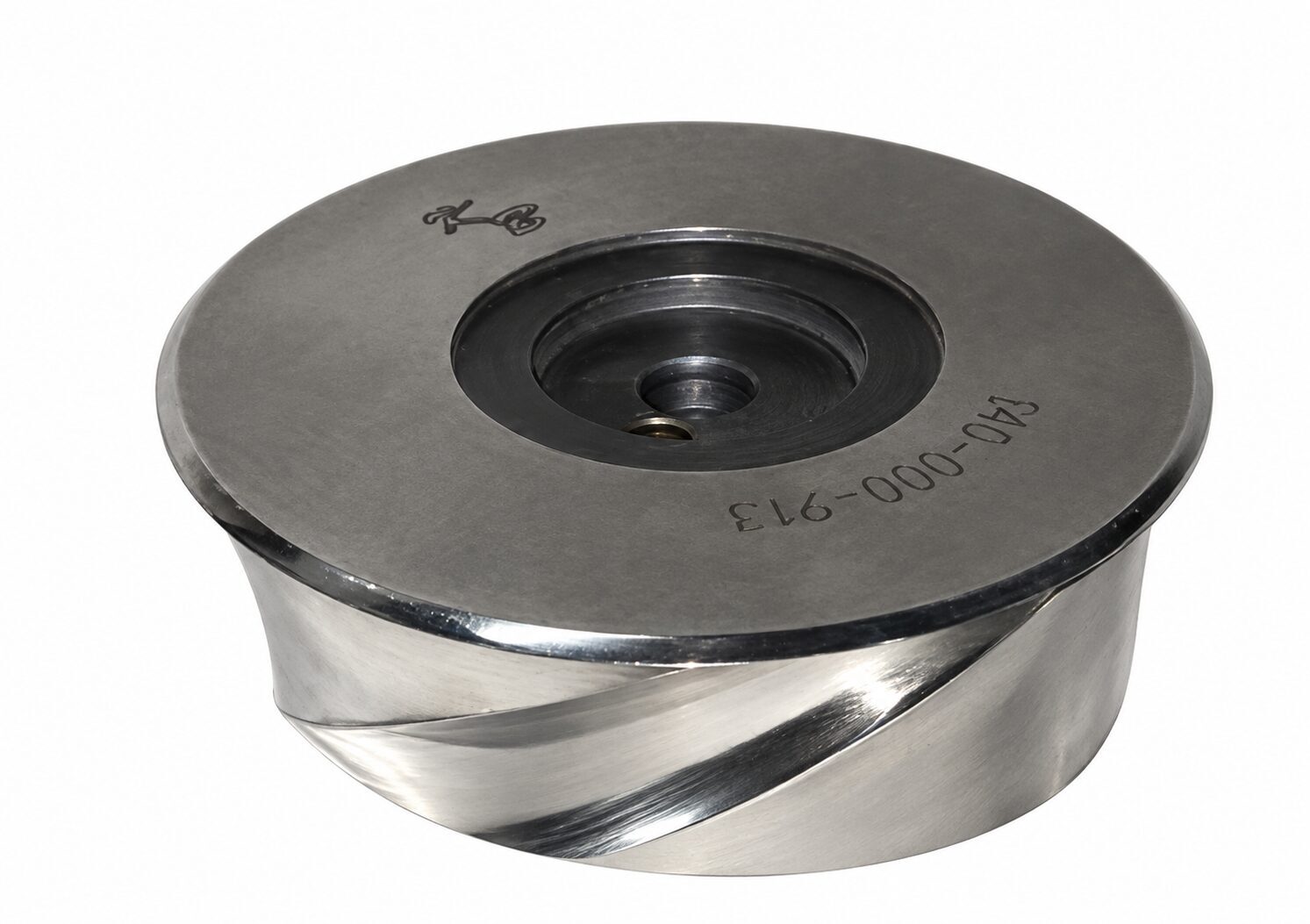
When a line needs a full set of chucks replaced at once, Kobot runs them as a batch: each one machined to the same drawing, so every head on the machine performs identically.
Kobot designs and manufactures purpose-built production machinery for a range of industries, from can-forming equipment through to full rotary filling and handling systems, built and commissioned in Paarl.

Motor, drive, forming head and controls: engineered together as one machine, then commissioned on site before it ever reaches a client's line.
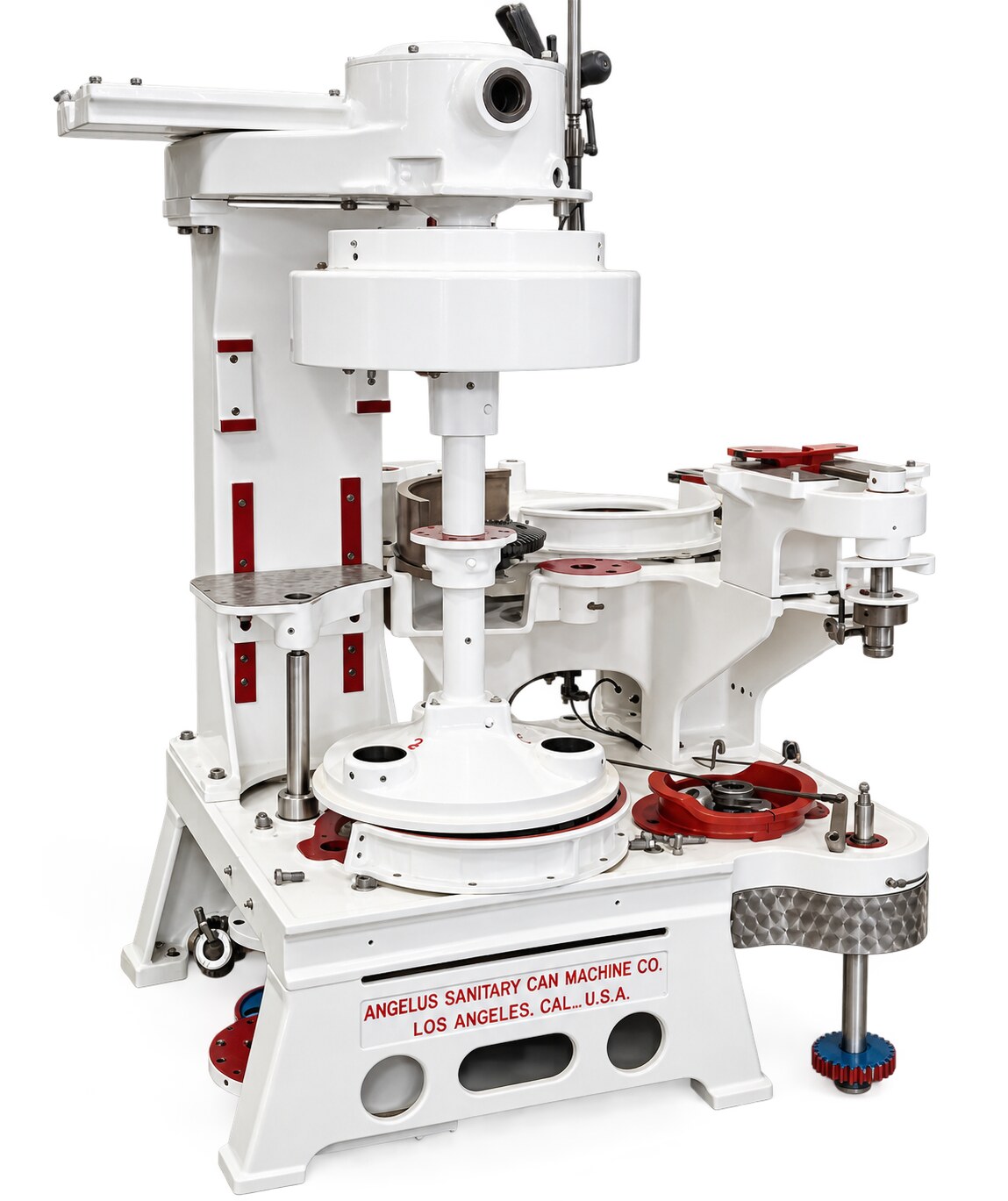
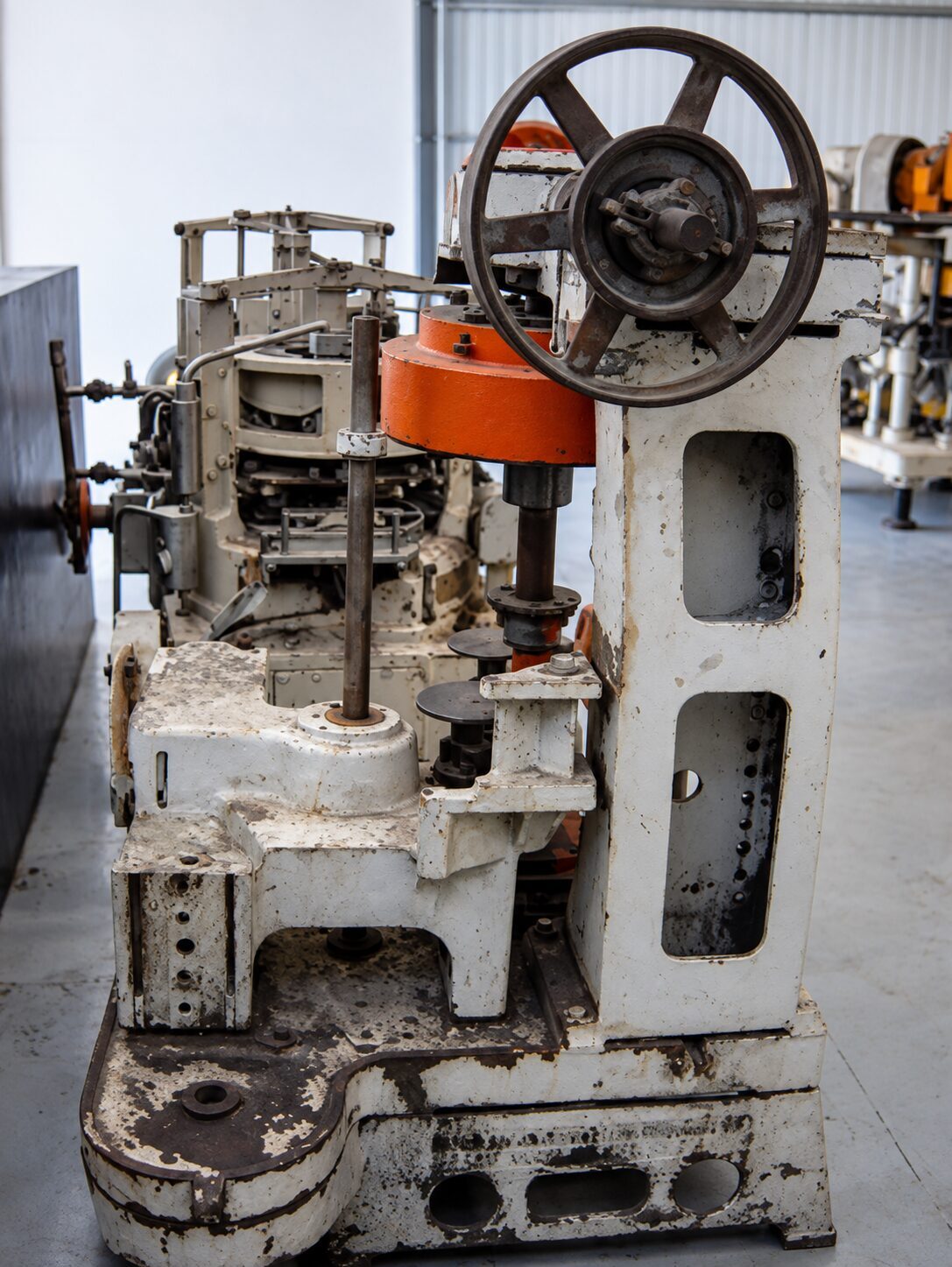
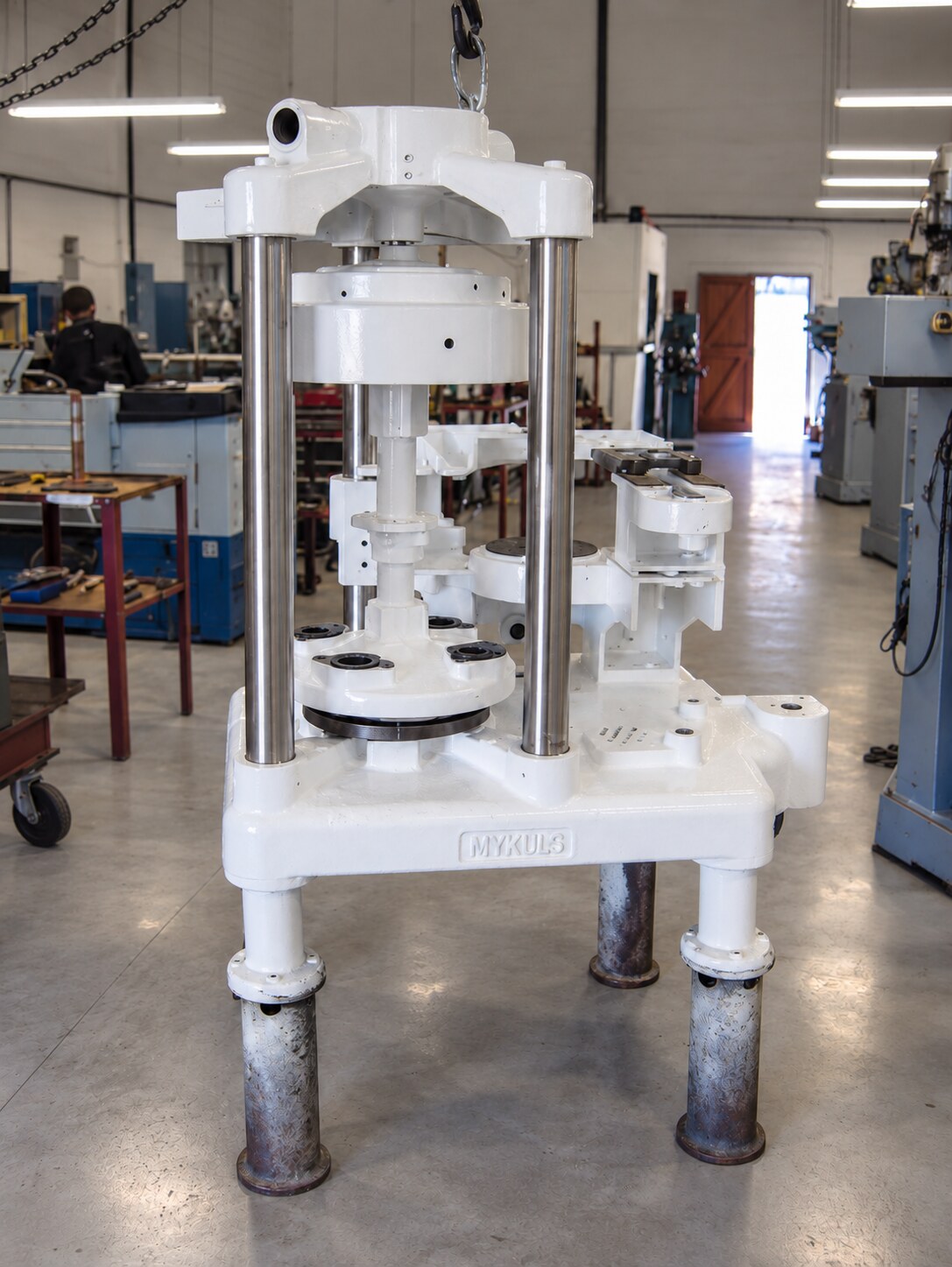
Refurbishment and upgrading of machinery is one of Kobot's focus areas. A typical example: full refurbishment of a seamer used in the canning industry, stripped to the base, machined back to tolerance, repainted and reassembled. Even a decades-old Angelus Sanitary Can Machine Co. seamer, shipped from Los Angeles, gets the same treatment. Machine rebuilding is becoming increasingly essential to this industry, and it's a service Kobot is actively expanding into fishing and milk canning as well as classic can-line equipment.
Kobot has the facilities to inspect all components in-house, and every component is delivered with an inspection certificate. The machining focus has always been low-volume, high-precision work, so quality checking happens at every stage, not just at the end.

Send through a drawing, a sample part, or even just a photo of what's broken, and we'll point you in the right direction.
